Andrea La Valleur-Purvis
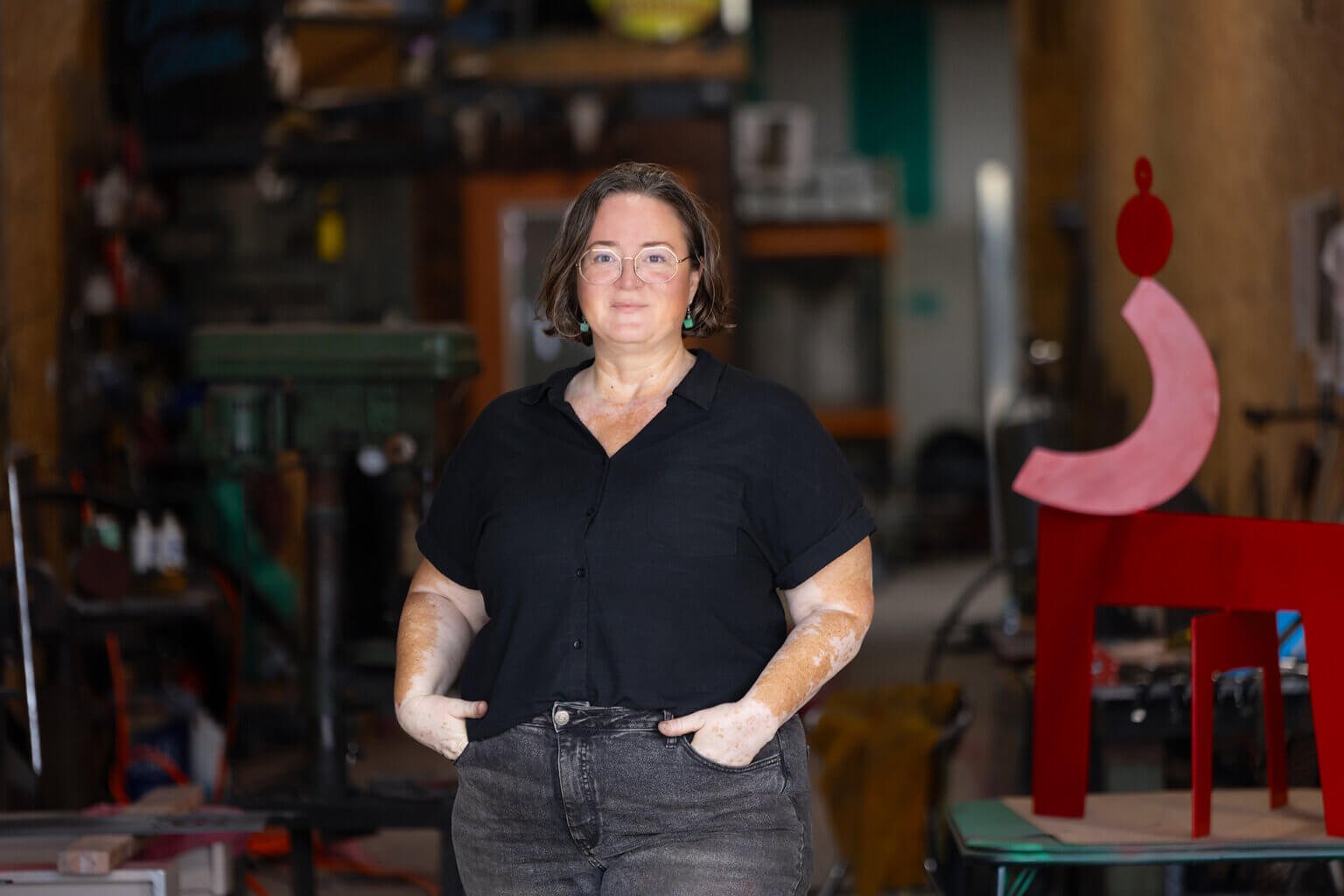
Andrea La Valleur-Purvis makes steel sculptures that map what it feels like to hold opposing forces without resolving them. The work is precise, physical, and permanently open — balanced not as conclusion, but as practice.
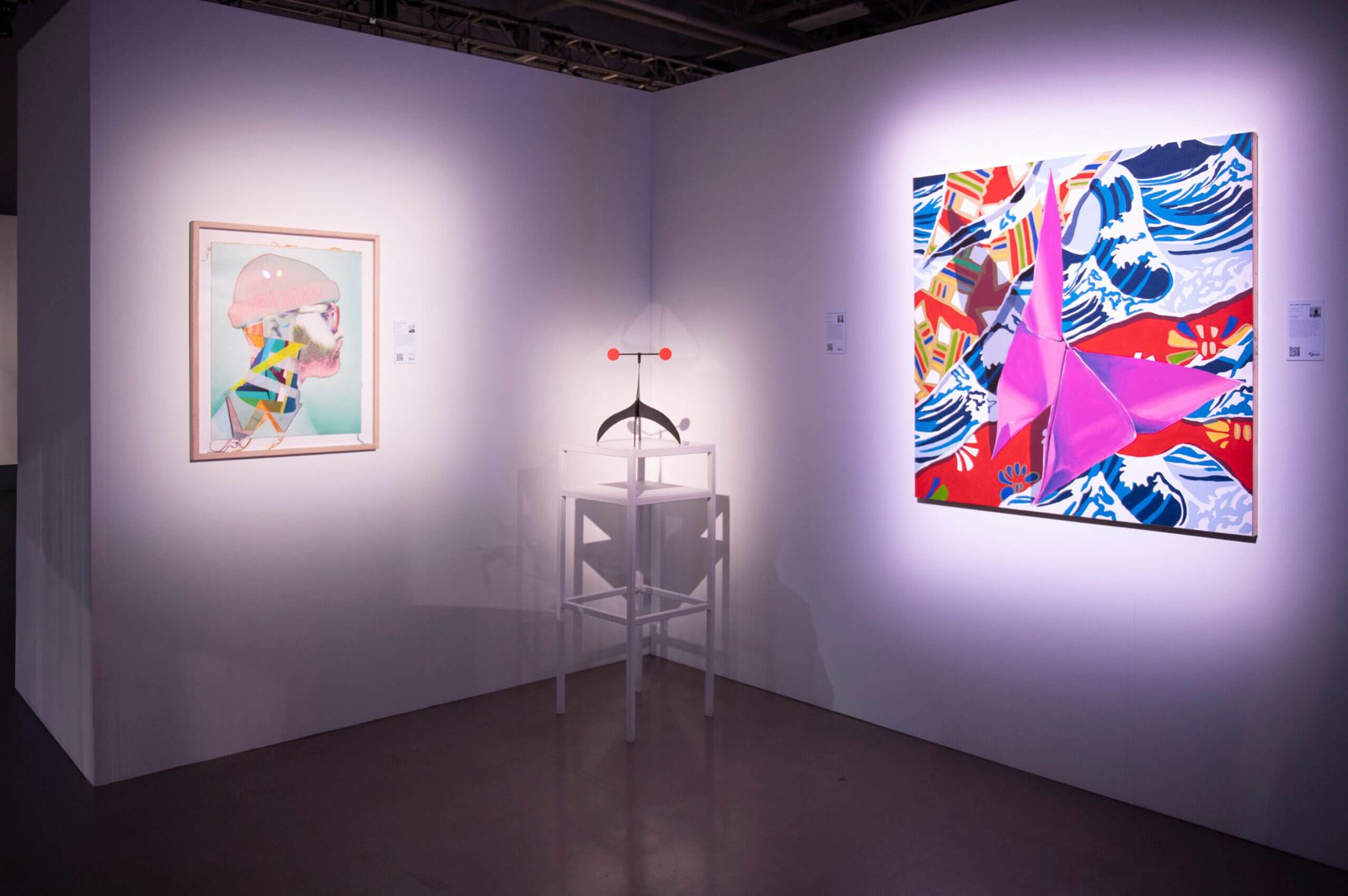
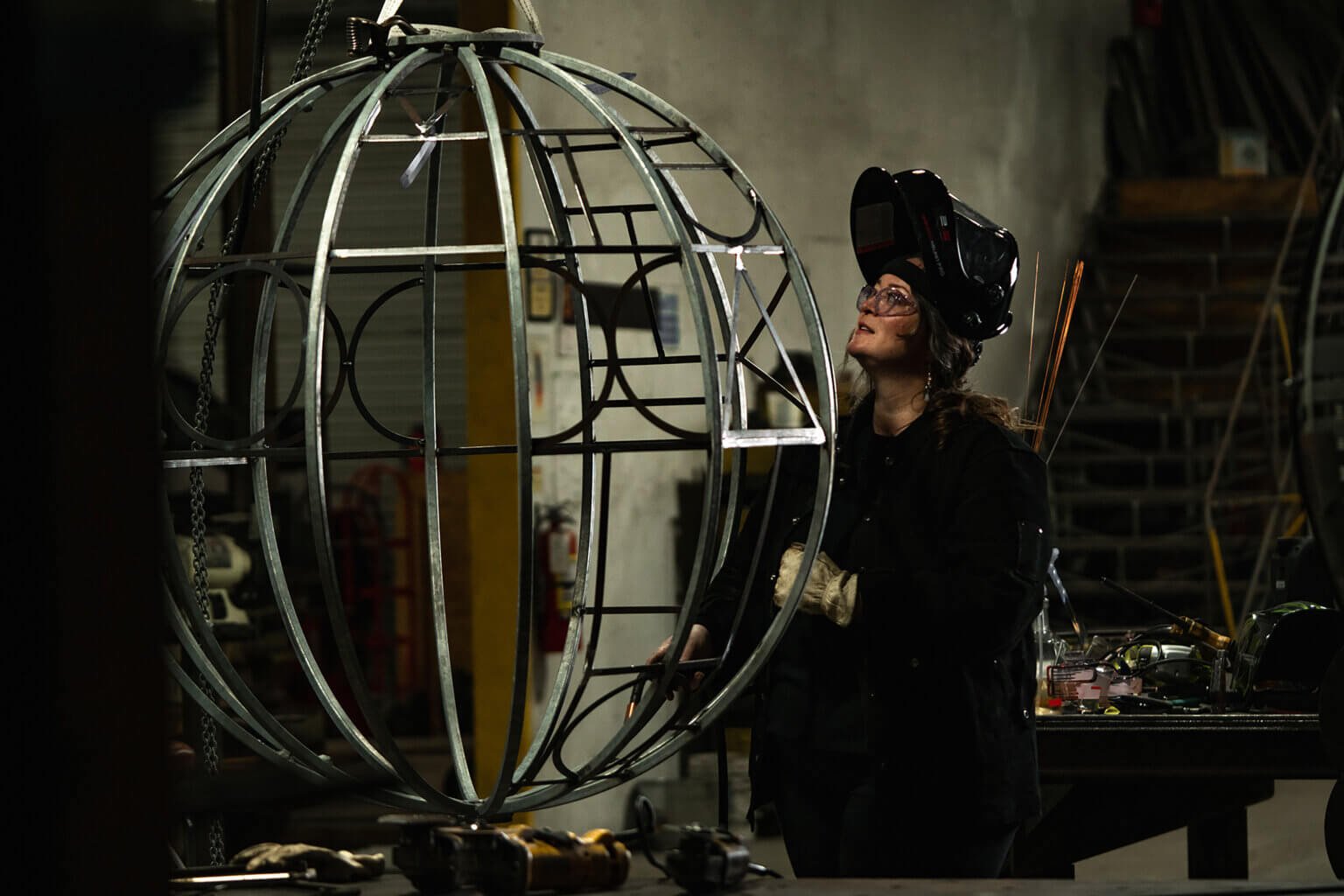
Her sculptures range from pedestal-scale pieces to large outdoor installations, with works held in private, corporate, and public collections and exhibited in galleries and public spaces throughout Texas, including at the Marfa Invitational.
She is among the international artists making innovative, original, and thought-provoking contributions to the contemporary art world — recognized in 2025 with the Artistic Merit Award from the Luxembourg Art Prize and the Art 100 VAA International Prize, and featured in Glasstire, NPR Radio, and Cohart Magazine. She holds a BFA in Sculpture from the College of Visual Arts (St. Paul, MN) and lives and works in Waco, Texas.

February 13 – April 17, 2026
60th CAIN National Exhibition
Juried by Tabitha Whitley
Cain Gallery, Del Mar College
101 Baldwin Blvd
Corpus Christi, Texas 78404
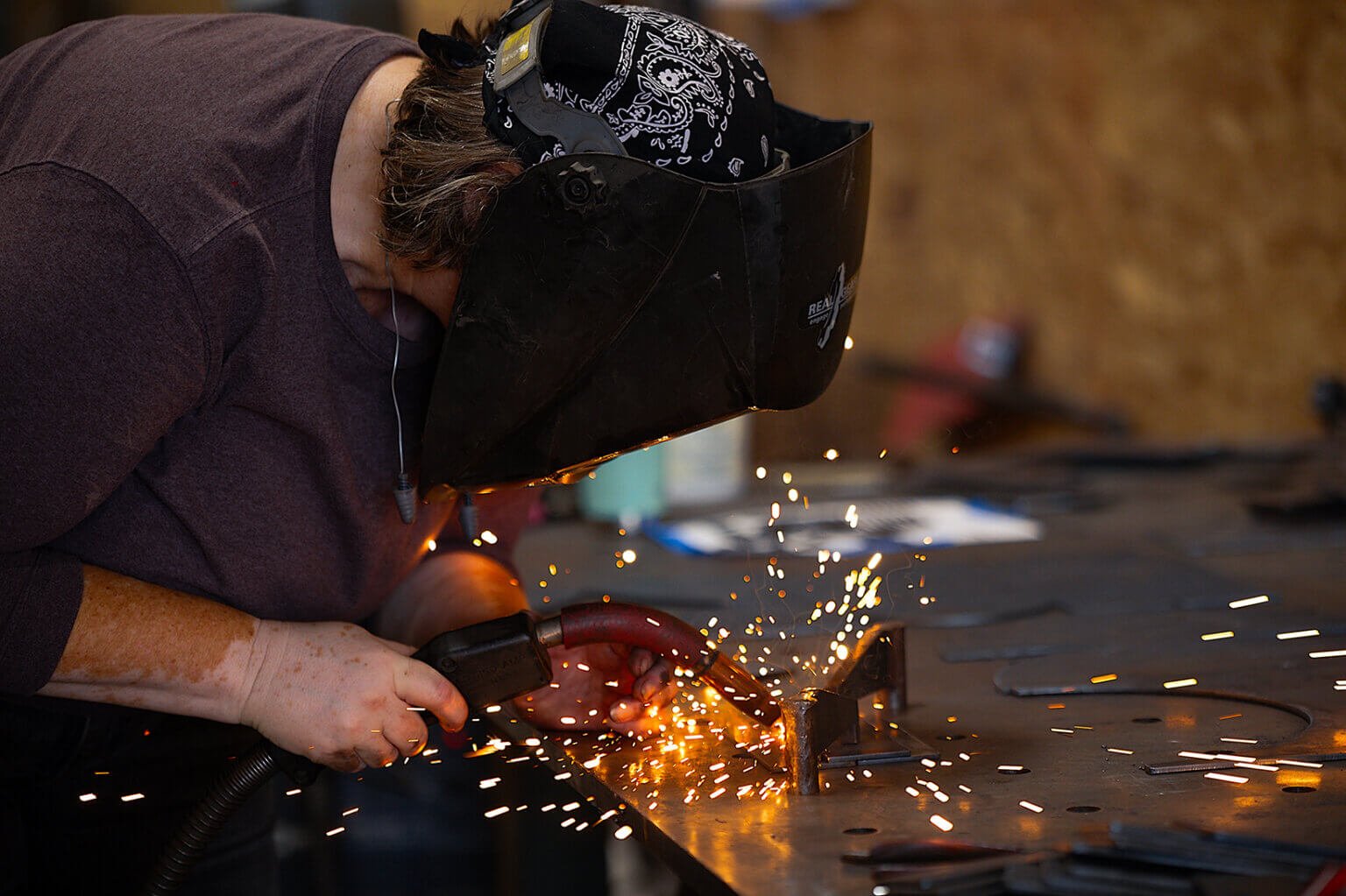
My sculptures investigate what it feels like to hold irresolvable forces — tension, flexibility, the ongoing negotiation between stability and change. The forms emerge from that inquiry: contours cut from flat steel, voids as deliberate as the metal that remains, weight distributed until it reads as lightness.
Welds and marks stay visible. I want you to see where decisions were made.
The pieces rest on small, precise points. Most elements move when you touch them — not as invitation, but as argument. Setting something carefully balanced into motion is the work. Motion and equilibrium aren’t opposites here. The sculpture holds both.
I grew up across British, German, and American contexts, watching how people navigate pressure to become something fixed. This work comes from that — and from the conviction that equilibrium is not a destination but a practice.
In both my individual artworks and exhibition displays, I invite connection with the work. Most pieces are kinetic and respond to touch.